Non-profit research association

Five known cases in Austria.
One of them is our son.

AHC Austria funds research into the ATP1A3 gene mutation, connects affected families and works to make rare diseases visible in society.

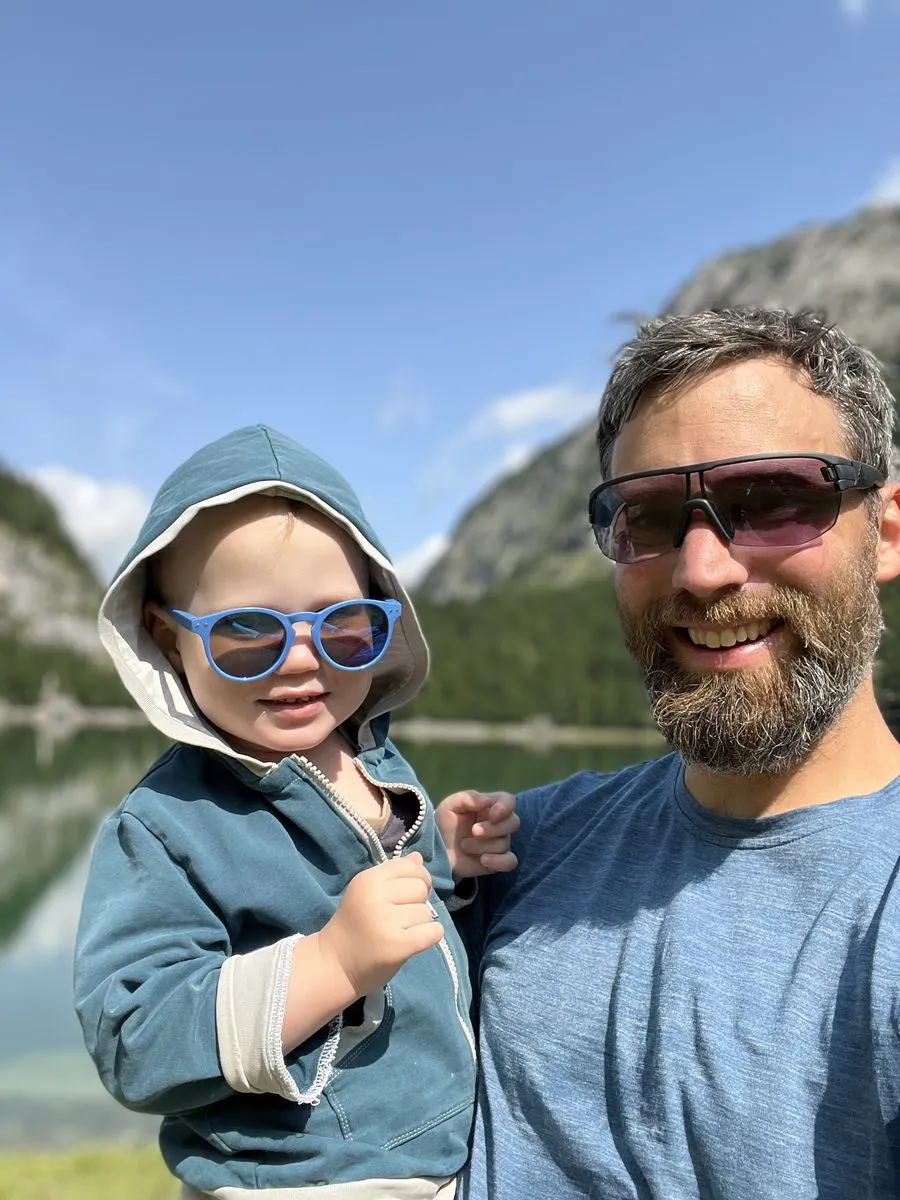
Michael with his son Jakob at a mountain lake
1 : 1 M
estimated prevalence of AHC worldwide
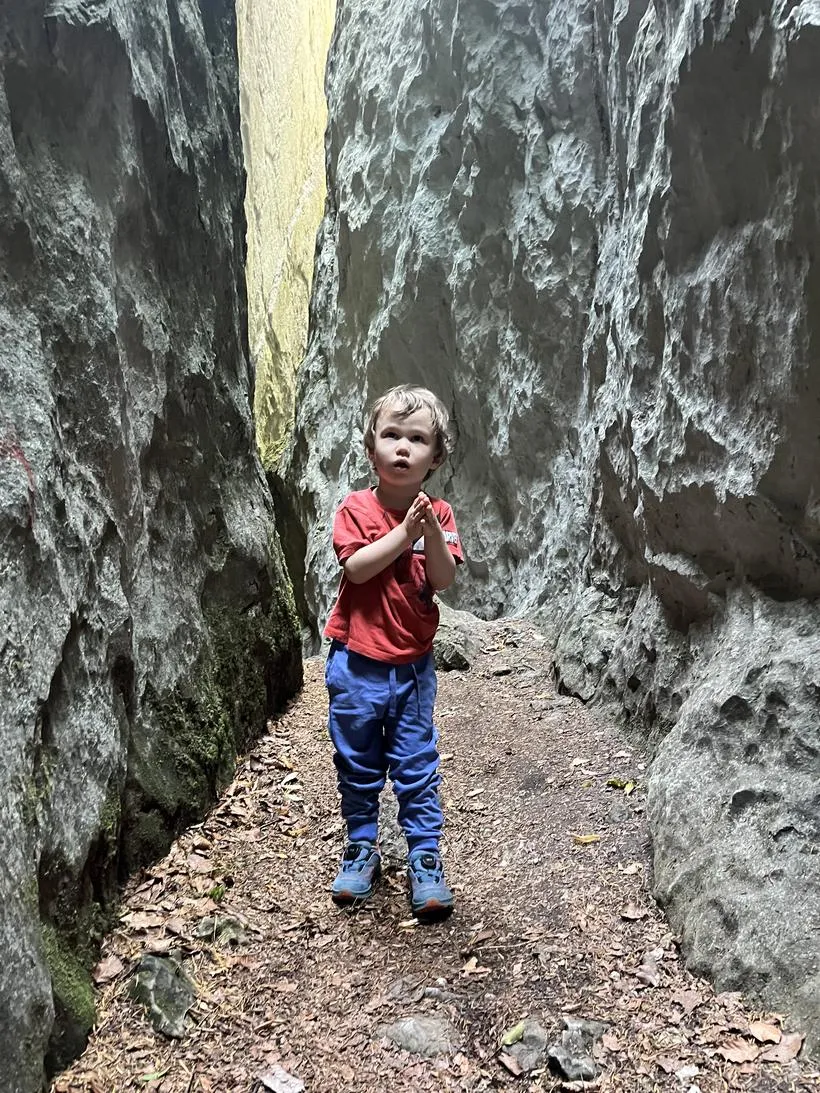
Jakob on a path between two rock faces

Jakob, born January 2023

One of a Million

Why we founded this association

On 15 January 2023, the birth of our second son Jakob was meant to complete our family. For the first few weeks, it looked exactly that way.

But Verena sensed that something was wrong. Doctors found no irregularities — until Jakob experienced prolonged, undiagnosed seizure activity and was admitted to intensive care.

Genetic testing revealed a mutation in the ATP1A3 gene and a second one in DYNC1H1. A random mutation, present in neither Verena nor me — and not in our older, healthy son Moritz.

In terms of ATP1A3, Jakob is truly one of a million. There are five known cases in Austria carrying this mutation, which can give rise to several distinct conditions: complex epilepsy, Alternating Hemiplegia of Childhood (AHC), Rapid-onset Dystonia-Parkinsonism (RDP) and CAPOS syndrome.

Our world fell apart. Out of necessity, we became experts in these conditions ourselves: reading countless case studies, connecting internationally with other families. We were afraid of becoming increasingly isolated — the trips and spontaneous travel we love suddenly seemed impossible. And always the worry about our little boy, who could have another seizure at any moment, triggered by noise, stress, heat or excitement.

„We used to think ‘thank goodness that’s not us.’ But the more awareness we build that rare diseases aren’t actually rare, the better the understanding of the complex daily reality these families face.“

— Michael Kabicher & Verena Haas, founders of AHC Austria

Michael has since changed careers so that Verena could return to working life — and together we manage as best we can. Jakob is developing, and the seizures are becoming less frequent. He is taking his first wobbly steps and engaging more and more with the world around him.

Look closer, and rare diseases turn out not to be rare at all: roughly 6,000 different conditions are known today, with an estimated 30 million people affected in Europe and 300 million worldwide — around 6% of the global population.

That is why we founded AHC Austria: to help other families facing similar genetic diagnoses right from the start. So that nobody is left alone with the thousand questions that have no answer.

Living actively

Getting outside is how we keep from going under.

Trips, mountains, snow, the sea: these moments give us strength. They are not proof that everything is easy – they are proof that we refuse to let go of normality.

The family out together
Out together – all four of us
Verena hiking with Moritz, Jakob in the carrier
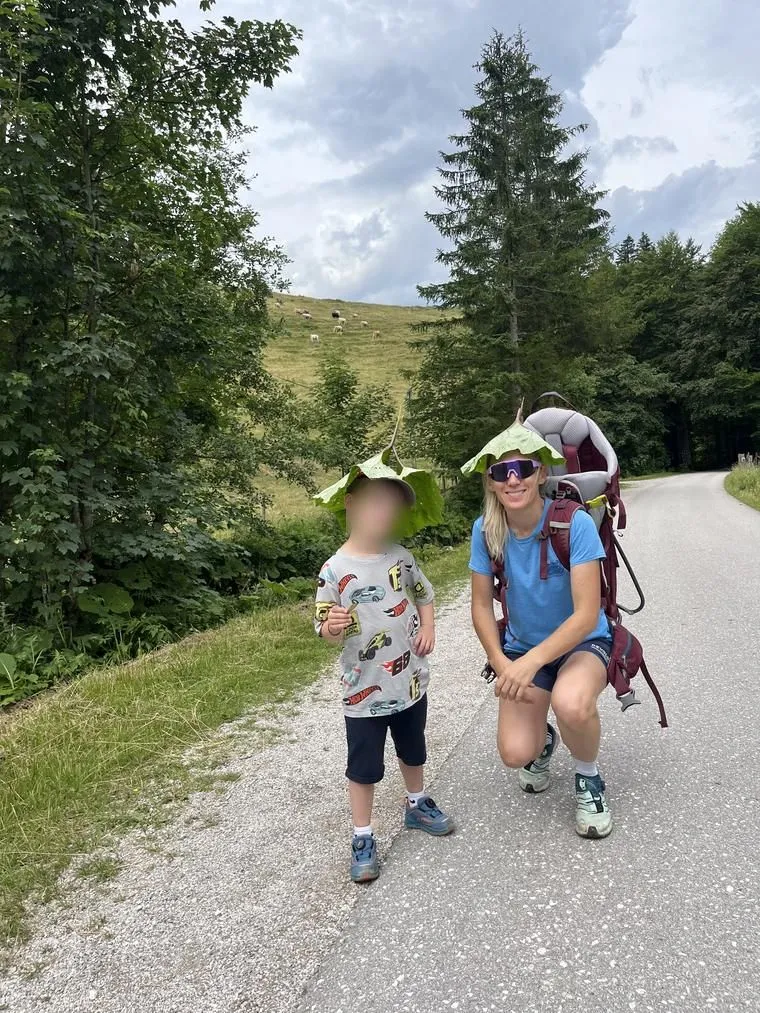
Hiking with a carrier and leaf hats
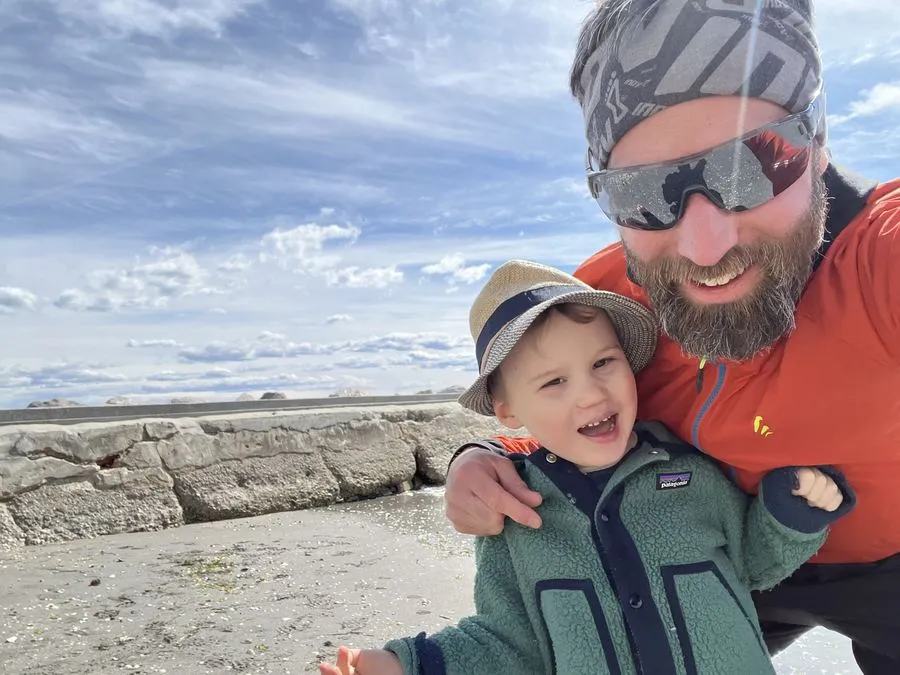
Michael with Jakob at the sea
At the sea
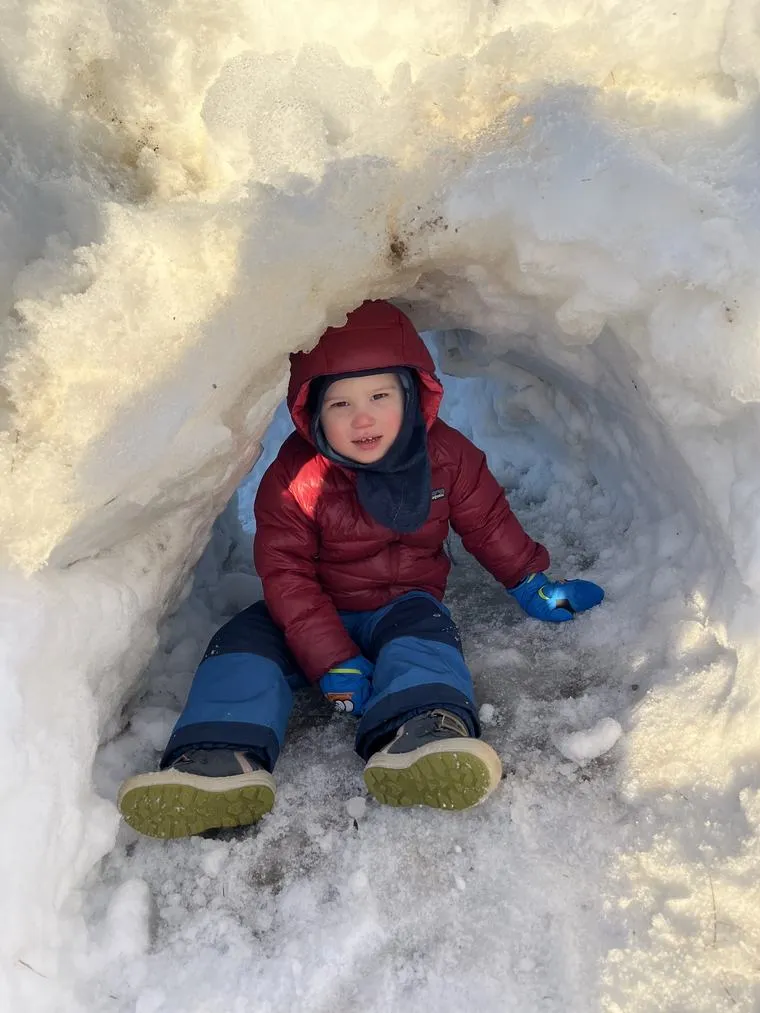
Jakob in a snow cave
Snow cave
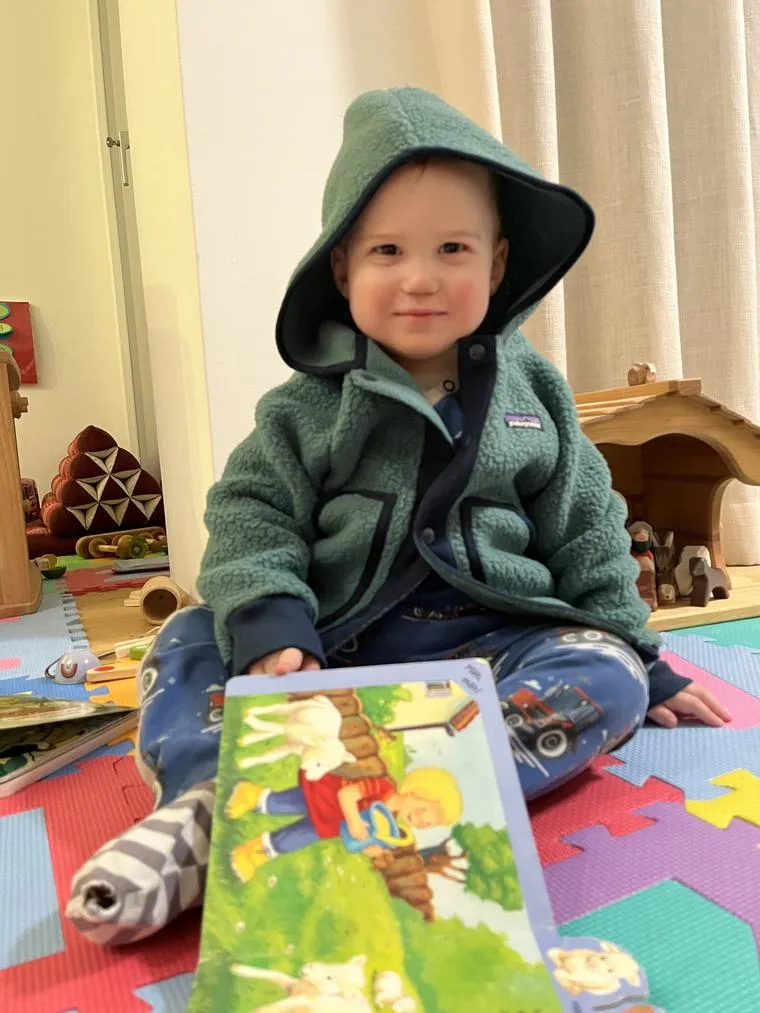
Jakob playing
At home
To be honest: it is not as easy as these pictures make it look. Every outing means planning, medication in the bag and weighing up risks – heat, noise and excitement can trigger a seizure at any time. We show these photos anyway. Because life with a rare disease is not only made up of waiting rooms, and because other families should see: it is possible. Differently, but possible.
What is AHC?

A rare neurological disorder – with far-reaching consequences for entire families.

Alternating Hemiplegia of Childhood (AHC) is a very rare neurological disorder that usually manifests before 18 months of age.

Affected children experience recurrent episodes of hemiplegia that can alternate between sides of the body. These episodes are frequently accompanied by dystonia, abnormal eye movements, autonomic symptoms and epileptic seizures.

In around 74 percent of cases the cause is a mutation in the ATP1A3 gene. Most of these mutations arise de novo and are not inherited.

AHC cannot be cured. To this day no disease-modifying therapy exists – which makes the international research we fund as an association all the more important.

Hemiplegic episodes

Temporary one-sided paralysis that occurs spontaneously and can last from minutes to days.

Oculomotor abnormalities

Unusual eye movements, often among the first recognisable signs.

Dystonia

Involuntary muscle contractions and abnormal postures during episodes.

Epileptic seizures

A frequent comorbidity that further complicates medical care.

Developmental delay

Motor and cognitive impairment that can increase over the course of the disease.

Everyday triggers

Noise, stress, heat and excitement can provoke episodes – shaping every decision we make.

5
known cases with an ATP1A3 mutation in Austria
6,000
distinct rare diseases known worldwide
30 M
people in Europe live with a rare disease
0
disease-modifying therapies for ATP1A3 – so far
What we stand for

Rare diseases are not that rare at all.

We want to encourage society to look closer and ask questions. Because the heaviest burden is often not the diagnosis itself – but the feeling of not being understood with it.

01 — Awareness

Visibility instead of isolation

Families with a child affected by a rare disease frequently feel misunderstood. The more awareness we build, the better the understanding of their complex daily reality – and the more likely integration becomes instead of withdrawal.

02 — Care

Childcare & education

Finding a suitable childcare place is a genuine challenge; rejections are routine. Yet in the earliest years it is precisely the care situation that determines whether parents can stay in employment.

03 — Participation

Not giving up on inclusion

Austria is moving backwards on inclusive schooling – away from mainstream classrooms and towards special-school structures. We campaign for inclusive education to remain a genuine choice.

„We want to encourage society to look closer and ask questions of families living with rare diseases. That is the first step towards integration – and out of isolation."

Our goals

Concrete, measurable, ambitious.

We state precisely what we want to achieve – with a clear timeline and regular accountability towards our members and donors.

01

Membership of AHC Europe

Joining the European umbrella organisation (AHCFE) as the Austrian member organisation – bridging families in Austria and the international network.

In progress
02

Joining the IAHCRC consortium

Becoming part of the International AHC Research Consortium so that Austria is represented in global ATP1A3 research studies.

In progress
03

14th ATP1A3 Symposium in Paris

Attending the international symposium from 24–26 September 2026, with the aim of building contacts with European research groups.

Registered
04

First connections between families

Direct contact with other families in Austria living with an ATP1A3 diagnosis – the foundation for everything that follows.

Ongoing
05

An Austrian research network

Building links with research groups at the University of Vienna and the Salzburg University Hospital – the basis for a first joint ATP1A3 research project in Austria.

Planned 2027
06

Submitting an ERDERA application

Applying to the ERDERA Networking Support Scheme (up to €30,000) to build a European ATP1A3 network with Austrian participation.

Planned 2027
07

First family meeting in Austria

A gathering for affected families – a place for exchange, mutual support and practical knowledge from everyday life.

Planned 2027
08

Information material for professionals

A concise guide for paediatricians, nurseries and schools: what AHC is, what it means day to day, and what to watch for.

Planned 2027
01

An active research project in Austria

Initiating and co-funding a research project at an Austrian university – focusing on therapeutic approaches, natural history or biomarkers.

02

Shorter paths to diagnosis

Reducing the time between first symptoms and genetic diagnosis through targeted information for neuropaediatric and primary care teams.

03

Tax-deductible donation status

Inclusion in the Austrian Ministry of Finance's register of privileged donation recipients under §4a of the Income Tax Act.

04

Better care and education pathways

Concrete improvements in childcare places and inclusive education for children with complex needs – together with other organisations and policymakers.

05

A voice across German-speaking Europe

Close collaboration with AHC Deutschland e. V. and a future Swiss group – for a shared voice towards policy, research and the public.

06

Contributing to first therapies

Participating in international studies and registry projects that pave the way towards disease-modifying therapies for ATP1A3 disorders.

The ATP1A3 gene mutation

A tiny genetic switch – with enormous consequences.

The gene in focus
ATP1A3
Na⁺/K⁺-ATPase, α3 subunit
Function
Encodes an ion pump that is essential for the electrical excitability of nerve cells.
Location
Chromosome 19q13.2, expressed predominantly in neurons of the central nervous system.
Inheritance
Usually de novo – the mutation arises anew and is not passed on by the parents.
Hotspots
The gene is long – yet around three quarters of all AHC cases trace back to just three specific positions within it. Which one is affected influences how severely the disease progresses.

Why a single gene decides so much.

The ATP1A3 gene encodes the α3 subunit of the sodium-potassium pump – a key protein that maintains the electrochemical gradient across nerve cells. Without this pump, neurons cannot reliably transmit signals. The gene plays a role in nerves, muscles and energy supply.

In 2012 it was demonstrated for the first time that de novo mutations in ATP1A3 are the principal cause of Alternating Hemiplegia of Childhood.

Gene therapies capable of correcting mutations do exist today. For a gene as complex as ATP1A3, however, they remain too imprecise. And because so few cases exist, the pharmaceutical industry currently has no commercial interest. That is precisely why associations like ours are needed.

Why this reaches far beyond AHC

The sodium-potassium pump is one of the most fundamental building blocks of the human body – in the brain alone it consumes a substantial share of all available energy. And yet it is still not understood in full detail.

Disturbances of this pump play a role in a whole range of conditions:

  • ATP1A3 (α3, in neurons) — AHC, complex epilepsy, RDP and CAPOS syndrome
  • ATP1A2 (α2, predominantly in glial cells) — familial hemiplegic migraine type 2, sometimes together with epilepsy and developmental disorders
  • ATP1A1 (α1, in the adrenal gland and peripheral nerves among others) — primary aldosteronism, a common cause of hypertension, as well as hereditary neuropathies
  • Cardiology — digitalis compounds such as digoxin have been acting directly on this pump for centuries
  • Alzheimer's and Parkinson's — the pump is under intensive investigation here. Notably, the amyloid-beta deposits implicated in Alzheimer's appear to target precisely the α3 subunit that is altered by the mutation in AHC. An interaction between α-synuclein in Parkinson's and α3 has also been described.
  • Further research fields — the pump's role is being studied in epilepsy, Huntington's disease, stroke and disorders of glutamate metabolism, among others

In Jakob's case the α3 subunit has been altered since birth — in Alzheimer's and Parkinson's the very same subunit comes under pressure over the course of a lifetime. Understanding one disorder teaches us something about the other. Research into a very rare disease can therefore benefit far more people than the case numbers suggest.

Please note: these connections are the subject of ongoing research. No direct causal link between ATP1A3 mutations and Alzheimer's or Parkinson's disease has been established.

Registration & transparency

One association. One mission. Accountability.

AHC Austria is a non-profit association under Austrian association law, established in March 2025. We work on a voluntary basis and disclose our structures openly – because trust is the foundation of all research funding.

The association came into being because Austria had no specialised point of contact for families affected by ATP1A3-related disorders. We are not an established social enterprise – we are a family determined to change something, together with others.

We do not operate for profit. All funds go towards our statutory purposes: research funding, connecting affected families and raising public awareness. The board serves on a voluntary, unpaid basis.

We collaborate with AHC Deutschland e. V. and are preparing to join the European umbrella organisation AHC Europe as well as the IAHCRC research consortium.

Association details

Registered name
AHC Österreich – Verein zur Forschungsförderung der Alternierenden Hemiplegie des Kindesalters (AHC)
Legal form
Non-profit association under the Austrian Associations Act 2002
Register no. (ZVR)
1819799844
Registered seat
St. Georgen im Attergau, Austria
Address
Weinbergweg 12/2
4880 St. Georgen im Attergau
Established
10 March 2025
Registering authority
District Administration Vöcklabruck
Chair / Secretary
Verena Haas, MSc
Deputy Chair / Treasurer
Michael Kabicher, MSc

Annual reporting

We publish an annual activity and financial report – traceable and openly accessible.

Unpaid board

No board member receives remuneration. Every donation goes into our purposes – not into structures.

Evidence-based

Medical statements are based on peer-reviewed literature. For therapeutic questions we refer to specialised centres.

Contact

We are here for you.

Whether you are an affected family, a clinician, a researcher or a donor – write to us. We reply personally, in German or English.

Postal address
AHC Österreich
Weinbergweg 12/2
4880 St. Georgen im Attergau
Austria